This written script is pretty loose, so I highly suggest you download this episode by clicking on the red star to the right or from iTunes. While in iTunes, don't forget to to give a review of the show. However, this post is still worth taking a glance at because I posted plenty of pretty pictures and some useful links. Enjoy!

I’m
sitting on the back patio of the first bar I can remember ever being aware
of. I can still remember passing
by this Swallow’s Inn Saloon, with its weathered brick façade, iron bars over
the windows, Old West style batwing doors. It’s the image of the doorway that really stayed with me
because the darkness of it seemed to absorb the bright afternoon light. Downtown San Juan Capistrano glistens
in the sun, with red brick and wood and yellow adobe buildings, the result of
careful preservation, so maintained people might catch a glimpse of the small
and lackadaisical town that was at the forefront of the ambitious California
Mission experiment. But the shadowy
door to this saloon… the darkness seemed to emit from the bar and felt intentional
to me, as way of keeping kids like me from seeing what was inside, but it
ceaselessly spilled out the raucous voices of men and guitar heavy rock and roll
from some jukebox deep inside.
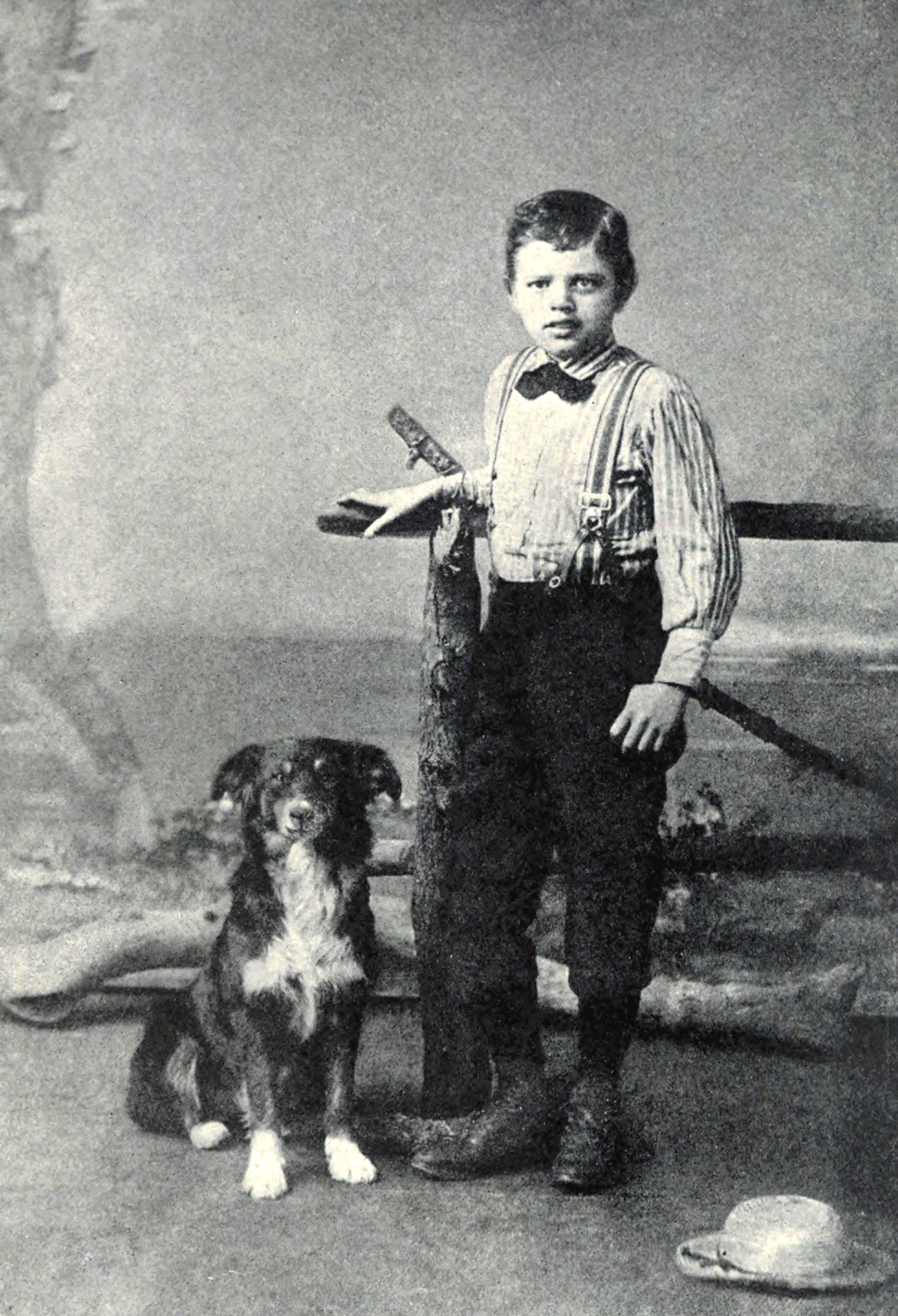
Unlike our friend, Jack London, I did not grow up going into bars. My parents and their friends drank, but at eight years old,
the idea of place where people gathered for the sole purpose of drinking
alcohol seemed crazy and dangerous to me, as if every person in there must be
absolutely hammered and the scene must be something similar to an insane
asylum.
It felt like there
were only a handful of bars in South Orange County in the early 1980s and the
only one anybody talked about was the Swallows. Today Southern California is notorious for the continuous
metropolis that solidly blankets the land between the Mexican border to the San
Gabriel Mountains, north of Los Angeles, only punctured by the Marine Base,
Camp Pendleton in north San Diego County.
But in the early 80s that blanket was more like a net, with spaces
alternating between suburban towns with tract houses and shopping centers and
then ranch land and citrus groves, sometimes even some wild spaces where native
chaparral planets still dominated the landscape and hid coyotes and mountain
lions. To be sure that net was tightening in those days, but I can remember
hearing cows mooing on quite nights from a once grassy open field that has been
a supermarket for near thirty years now.
Sitting here, at
this bar that so mystified me as a kid, I’m getting nostalgic for what I would
call a simpler time, if I did not know it only seemed so because it was seen
through the eyes of a child. This
kind of nostalgia is aided by the fact I’m near the bottom of my second gin and
tonic, and as soon as I finish I’m going to walk over to do the tour of Mission
San Juan Capistrano. Growing
up only a few miles from here meant multiple elementary school fieldtrips to the
Mission, where we were told of the Franciscan friars who were the first white
residents of California. Those
tales largely painted a heroic picture of the missionaries, who were said to
have lived in peace with the local Indians and prepared those people for modern
world that would soon wash up with the waves of the Pacific. But there were hints from our teachers
and tour guides that the Franciscan story was perhaps more complex and ugly
than they were ready to tell us.
After all, this was group of educators who came of age in the 1960s and
70s, in which various civil rights movements complicated how white Americans viewed
history, forcing a recognition that nobody was served by ignoring the
historical perspectives of subjugated minorities. But what should they have told us, elementary school
kids who were still naïve enough to envision bars as akin to mental
institutions? Should they have
told us the Indians at the Mission were not allowed to leave, and were forced
to work in slave like conditions?
Or how those people were whipped as punishment? Of imprisoning natives until they
converted to Christianity? Lord
knows, those types of salacious details would have seized our attention. And all this would have been true, but
only part. That certainly would
have cemented the idea in our little heads that the friars were purely villains
and the natives were purely victims.
Which was not the truth, and I suggest at this mischaracterization of
history would be more false and more damaging than the whitewashed story we
were given. Painting with a broad
brush and labeling good guys and bad guys, oppressors and victims, removes the all
motivations of real people and does nothing to explain why things happened as
they did. We do not teach history
so that our children can judge the past, but so that they can better understand
the world they live in today. There
is no such thing, nor as there ever been, as a simpler time.
Alight, this drink
is dusted. It’s time for me to see
the Mission through adult eyes.
We’re at the Swallow’s Inn Saloon in San Juan Capistrano. And this is the Bear Flag Libation.
 |
| Portola's Expedition |
On
July 23, 1769, Gaspar de Portolá entered the valley they dubbed Santa Maria
Magdalena, which would include part of today’s Capo Beach, Dana Point and San
Juan Capistrano. Portola’s party
of about sixty-five men, including Father Juan Crespi, was only nine days into
their march from San Diego to Monterey with the intent to explore and assess
the roughly 450 mile long land route between those tiny outposts. Spain had made claims to this part of
the world since Juan Rodriguez Cabrillo discovered the San Diego Bay in 1542, but
in two hundred years Spain made slow progress in actually moving into, or even
checking out, this sliver of their massive New World empire. For quite some time because of the length
of the gulf between what is today mainland Mexico and the Baja California
Peninsula, people assumed the whole of California was one long island. In fact, the name California is thought
to derive from a Spanish romance novel Las
Sergas de Esplandián, which contains this passage, “Know that on the right
hand from the Indies exists an island called California very close to a side of the Earthly Paradise; and it was
populated by black women, without any man existing there, because they lived in
the way of the Amazons. They had beautiful and robust bodies, and were brave
and very strong. Their island was the strongest of the World, with its cliffs
and rocky shores. Their weapons were golden and so were the harnesses of the
wild beasts that they were accustomed to domesticate and ride, because there
was no other metal in the island than gold.” Now, records of Cabrillo’s voyage have long been lost to
time, so we can’t be sure what was in his mind when giving the name, and we
can’t even be sure it was Cabrillo who gave the name- obviously he did not meet
the legendary queen, Califia, which
modern scholars have deduced is likely to have been the Spanish word for a
female Islamic leader, like a Caliph- so we don’t know if he actually believed
he found this mythical land or if he simply thought the name applied. At the time Cabrillo would have believed
he was much closer to Asia than he actually was, but he was in a paradise-like
land of coastal cliffs and rocky shores, at the left hand of Asia. He would never know how apt the name
was, with the richest gold deposits in the world waiting to be discovered beneath
the California mountains, and how, it is a known fact, the most beautiful women
in the world would forever grace these lands. So, good residents of California, if you’ve ever wondered
where the name of your home comes from, the best guess of scholars is that a Portuguese
explorer believed he found an Islamic island of Amazon women from a Spanish
romance novel. But who knows? The guy slipped on a rock a short time
later, got gangrene and died, then somebody lost journal. Such is life and history.[1]
 Before
we get back to Portola’s Expedition, I feel I should point out that we’re about
to cover some sixty plus years of history in about an hour. There are entire courses that teach only
the Spanish and Mexican eras in California and still only scratch the surface,
so by no means am I meaning to give a comprehensive history of the Missions, or
of San Juan Capistrano, or even the Swallow’s Inn for that matter. This will be a crash course in
some things I find interesting in all three and I encourage you to dig deeper
on any points you find interesting.
The narrative will center around San Juan Capistrano, but California
then, as it is now, carried remarkable diversity among its the native people. It is thought that at the time the
Missions were first being built that there was as
many as 500 of different tribeletes and more than 100 separate language groups
spread out across this incredibly large area. Historian Kevin Starr asserts that nearly a third of the
native people, who lived in the area that became the United States, lived in
California, the number being somewhere around 300,000.[2]
Before
we get back to Portola’s Expedition, I feel I should point out that we’re about
to cover some sixty plus years of history in about an hour. There are entire courses that teach only
the Spanish and Mexican eras in California and still only scratch the surface,
so by no means am I meaning to give a comprehensive history of the Missions, or
of San Juan Capistrano, or even the Swallow’s Inn for that matter. This will be a crash course in
some things I find interesting in all three and I encourage you to dig deeper
on any points you find interesting.
The narrative will center around San Juan Capistrano, but California
then, as it is now, carried remarkable diversity among its the native people. It is thought that at the time the
Missions were first being built that there was as
many as 500 of different tribeletes and more than 100 separate language groups
spread out across this incredibly large area. Historian Kevin Starr asserts that nearly a third of the
native people, who lived in the area that became the United States, lived in
California, the number being somewhere around 300,000.[2]
Aside from their own cultural differences, each tribe
responded to arrival of the Spanish differently and obviously the Europeans
were not monolithic either. Some
were criminals serving their sentence with military duty, some were godly men
on what they believed a holy mission, some of the former acted with honor and
kindness, some of the latter lost their way and acted with cruelty. Every encounter shaped future relations. It always boggles my mind to
contemplate that when two disparate cultures, that somebody might have had a
cold or a hangover and suddenly a reputation for laziness or foul tempers gets
applied to a whole group for decades.
Things like rigid dogma or
warrior traditions cannot always be blamed for a culture clash. One frightened young man who
misinterprets a move to be hostile and acts with hasty violence can start a war
of bloody reprisals. One curious
soul can avert war and make lasting friendships by simply walking up and
saying, “Hi, I’m Bob. Boy, that’s
a shiny helmet you got there. You
guys want to come have some dinner?” Such is life and history.
With
that said, when Gaspar de Portolá’s expedition came into what is today
South Orange County they had contact with a number of villages and all of who
came out to meet them were friendly.
Fray Juan Crispi described them thusly, “They came without arms, and
with a friendliness unequaled; they made us presents of their poor seeds, and we
made return with ribbons and gew-gaws. Nearly the whole day they remained with
us, men, women and children; and these heathens listened with more attention to
what we told them by signs, of God, of Jesus Christ, and of their salvation,
and several times they devoutly venerated the Holy Christ and the cross of the
crown.” Considering there was not
a single person present who could even remotely guess at the language of the
others, I’m going to go out on a limb and say it’s unlikely they communicated
all the portentous significance of Jewish carpenters who won’t stay dead. If they had, the mere fact that all these
bearded and armored strangers all wore symbols of the 1800-year-old torture and
execution of their god and savior, might have been a tip off the new guys have
some violent tendencies. It’s
likely Crispi saw what he hoped for, which was the Franciscan’s long-term goal
of potential conversions. Portola,
ever the soldier, simply wrote of that meeting: “they made us a present of much
grain and we made them a suitable return. We rested for one day.”[3]
Europeans
intermittently passed through this area for the next six years as six missions were
built between San Diego and San Francisco. In 1775, Father Junipero Serra, Father Presidente of the
Franciscan order in California, planned on building a mission in San
Buenaventura, in modern Ventura, north of Los Angeles, but plans were postponed
due to hostile natives attacking the Spanish incursions on their land. Instead, he authorized to build one
near San Juan Creek, which he dubbed San Juan Capistrano, named after an Italian
saint and Franciscan who led soldiers into the battle that lifted the Ottoman
Siege of Belgrade in the fifteenth century. Now, I’ve been throwing around the terms Franciscan
and missions pretty liberally thus far, but who were these cats and why were
they erecting walled churches out in the middle of the California wilderness?[4]
Back in the episode
zero I referred to the Spanish method of colonization as being something more complex
than the occupation and repopulation of a new area; they didn’t just want new
lands for Spain, they wanted new and loyal Spanish subjects. But how do they go about taking these
perfectly content native people of the wild Americas and turn them into fruitful
Spaniards? You can’t just show up in
somewhere like Peru and say, “Okay, guys, you work for us now. So if you’d kindly put down that spear
your pointing at me, pick up this pickax, yeah, here ya go, and why don’t you
just start mining that mountain here. Here’s a guidebook on how to be Spanish, read it all by
Tuesday and we’ll be back to take the fruits of all your labor back to a single
man who you’ll never meet and who lives across the ocean. Muchas gracias, amigo.” No, there had to be incentives. Obviously, the Spanish had a pretty
sturdy stick in their military superiority, but the invasion into the interior
of Mexico was a blood bath that nobody was eager to repeat. What kind of carrot can go with that
stick? (snap) “Hey, how does an
eternal and blissful afterlife sound to you? Yeah, this shit is pretty dope.” It turns out they did have a guidebook on how to be Spanish:
it was called the Bible.
A pretty clever
plan for colonization was established called the Laws of the Indies, which was basically
a three-prong strategy. First,
there would be the church to preach the Good Word to the natives, bring them
into the fold by teaching them not just about Jesus Christ, but how to read,
about hieratical institutions and to practice trades that would be useful in
Spanish society. The missions were
simply the physical manifestation of this project. Life was centered around the church building and a mass
schedule, but they missions served a whole community inside and outside their
walls that produced most of the actual food and items people there needed to
live. Most, as is the case of the
San Juan Capistrano Mission, had barracks, farms, forges, blacksmiths, and stables. The second prong was the military forts
to defend the churches, put down uprisings and protect the colonies from
encroaching European powers. Think
of the Presidio in San Francisco. When
it was built in 1776, it was the northern most outpost of the Spanish Empire
and stood guard, facing the Russian settlements in the north bay, who were
really more fur trappers than a military presence. Still, doesn’t hurt to point a couple cannons at them, just
to show them Ruskies you mean business.
And finally, there was the pueblo, towns to serve as centers of trade
and teach the natives of Spanish secular culture. So there you have it, the Laws of the Indies: mission,
presidio and pueblo; religion, military and economics- all the driving forces
of the Spanish Empire. Under this
perfect tutelage, well even the most backward of people would be near indistinguishable
from citizens of Madrid in just a few short years. Ten years in fact.
When Junipero Serra came to California he estimated that in a mere
decade the Franciscans would have the natives converted, sworn frailty to the
king of Spain and not just running the place, but converting natives on their
own and expanding the glory of the Empire themselves. Serra only missed his optimistic ten-year goal by… entirety,
as no such thing came even close to happening. In Alta California the strongest presence was definitely the
Missions. Often pueblos failed or
were never built and only four real presidios were constructed, in San Diego,
San Francisco, Monterey and Santa Barbara, contrasted to the twenty-one
missions that were eventually erected.
 |
| Misión de Nuestra Señora de Loreto Conchó |
With the Jesuits
gone, there became a need for a new order to head up the religious prong of the
three-prong system. Catholic
missionaries were the prefect colonists because their whole purpose for being
was to meet new peoples and convert them, but Carlos III needed people who
acted in Spain’s interest. Enter
the Franciscans into California.
The Franciscan Order did not have in-house resources of the Jesuits and
were instead reliant on charity and benefactors to do their proselytizing. They were disciples of St. Francis of
Assai- austere and humble to the point of asceticism, devoted to keeping a mind
and heart spiritually detached while the body suffers and works tirelessly, and
when the rubber hit the road, they were some serious dudes to be out there
converting Indians. By all
accounts, as a group, there is no questioning their compassion for the people
they hoped to convert and true in their belief that they were helping the
neophytes- which is the term for the converted natives who lived at the
Missions- but people who’s faith commands to them to treat themselves severely
are likely to be sever in teaching other people that faith.
In 1768, after handing
the Baja California missions over to the Franciscans, the Spanish Crown
authorized them to expand into Alta California. The Spanish government fully funded this enterprise, giving
the Franciscans the directive to rapidly expand into as much territory as they
could hold. As far as the
Crown was concerned the Franciscans were mainly placeholders. Let these religious types go out
and convert as many people as possible, but essentially they were solidifying
the Spanish claim to the land, which could be better colonized later. The Franciscans were concerned with
saving the souls of the heathens of California, but were not ignorant of the
government’s plans and part of their mission was to prepare the native people for
the oncoming storm. It was only a
matter of time before hordes of Europeans descended upon these gorgeous shores
to exploit the rich resources.
There would no place in this new order for the naked and godless who
hunted and gathered, they must be prepared, speak the language of the new
comers, know some trades that allowed them to thrive in the new society. The hope was that by the time the hordes
arrived the natives would already be living in the Spanish mode, thus able to
retain a high status in their ancestral land. So, by contrast, unlike the majority of Americans and
English, who saw the Indians as enemies who were unable to assimilate to a
European culture, the Franciscans never saw the natives as their enemies. The enemy they believed they fought was
Satan, who manifested himself in the native’s heathen practices and stood in
the way of their ultimate survival.[6]
To this end, the padres often
lured natives to the missions with exotic gifts and abundant food. According to Father Palou in San Juan Capistrano, most
natives there came quite freely with the simple promise of baptism. In fact, they could not build housing
fast enough for all the neophytes flocking the Mission. From the perspective of the natives the
padres must have an irresistible curiosity, something not unlike aliens
landing. Not only did they have so
much, but they wanted to teach the natives how to produce that kind of wealth as
well. The catch was that after the
natives became neophytes, they were not allowed to leave the missions and the
friars controlled every aspect of their lives, from what they ate for breakfast
to who they were allowed to marry.
This surely came as a shock to the people who had no concept of
imprisonment, especially when soldiers tracked down any runaways and brought
them back to the mission. Further,
the
Franciscans viewed a forced conversion under threat of death or imprisonment to
be count as just the same spiritual victory as a voluntary one. In an article by historian Russell Skowronek on the Ohlone Indians at the missions in the Northern California,
an English geographer named Frederick William Beechy
in 1826 described soldiers going out to round up Ohlone women and children, at
which point the men would simply follow their families to the mission and, “voluntarily follow them into captivity. After capture they are taught in
Spanish the Lord's Prayer and how to cross themselves.... If they show a
repugnance to conversion they are imprisoned for a few days and then let out
for fresh air and to observe the happy mode of life of their converted
countrymen.... Their incarceration ends when they are willing to submit. It usually didn't take long… as
the Indians adverse confinement [who isn't?] that they very soon become
impressed with the manifestly superior and more comfortable mode of life of
those who are at liberty… They then are trained in a trade.” Men were trained as cowboys, farmers,
shepherds, blacksmiths, shoemakers, stonemasons, carpenters and butchers. Women were trained to do things like
weave, sew, wash, make baskets, cull wheat, sift flour, grind and hoe weeds.[7]
The padres were
clearly deluding themselves to the benefits they provided the neophytes. One friar wrote in a letter, “For one who has not seen it, it is impossible to
form an idea of the attachment of these poor creatures for the forest. There
they are without a roof, without shade, without food, without medicine, and
without any help. Here they have all of these things to their hearts content.
Here the number who die is much less than there. They see all this, and yet
they yearn for the forest.” Putting
aside the ethnocentric ignorance in this statement, which more less the stance
of all Europeans of the era, this friar was just plain wrong about the longer
and better lives enjoyed at the mission. Skowronek details archeological evidence to support that the
neophytes were in fact overworked, undernourished and highly susceptible to all
the disease the friars and soldiers inadvertently brought with them from the
Old World. Unfortunately, like in many
places in the Americas, once tribes became dependent on European agriculture
and goods, their old ways were abandoned and skills for surviving in the
wilderness atrophied. Many natives
feared the Spanish and moved east, well out of reach of the invaders, but those
who stayed were, both directly and indirectly, found themselves ever linked to
the Mission system.[8]
 |
| Color version of Louis Choris' drawing of Presidio San Francisco |
One of the most controversial
aspect to the Franciscan-neophyte relationship has long been the use of
whips. The degree to which natives
actually volunteered to become neophytes is somewhat murky, but when they
started whipping those they claimed to protect the Franciscans begin to look at
lot like slavers. Junipero Serra
has been on the short list for sainthood by the Catholic Church for a very long
time, but when native groups protest the canonization of somebody who
terrorized their ancestors, the evidence of men of the cloth inflicting
corporal punishment is all too available.
Historian Edward D. Castillo flatly indicts the Mission system as
“authoritarian institutions whose foundation rested on military occupation and
forced labor.” In the journal California History, Castillo reproduced
a circa 1816 painting depicting natives being herded to work by soldiers with pikes,
which is disturbing enough, but the bulk of his article is a translation of an
interview with the son of one of the men who assassinated Father Andrés
Quintana at Mission Santa Cruz in 1812.
Quintana’s reputation for wanton cruelty was widely known to the natives
throughout California and even many Spanish thought the man went too far. Apparently, he delighted in crafting
new whips out of wire and iron that could more easily rip the skin off people’s
backs and he tested his creations on his flock, often without even the pretense
of a crime. Castillo also points
to some insinuations that Quintana may have sexually abused some of the young
women. Understandably, a group of the
neophytes in Santa Cruz decided the only way to escape this malevolence was to murder
the man. After a series of ruses that each resulted in the plotters
loosing their nerve, they eventually cornered the father while he was isolated
and strangled him with his cape. A
poor plan went worse when they checked on his body later found the man coming
to, surely ready to speak of his assault. Wanting to leave as few signs of foul play as possible, they
decided finish the man off by crushing his testicles. I had never heard of this as a method
for murder, but this is the story one of the conspirators told his son. I googled it up and apparently the
crushing of these internal organ can send a man into a type of neurogenic shock, which can be fatal. Oh, and by the way: ouch.
Like, seriously, yo. Ouch.
In the case of Quintana, the neophytes got away with it, it would seem
to a lucky chance that the local surgeon who preformed the autopsy was either
ridiculously negligent or sympathetic to the plight of the abused
neophytes. Those who mourned the
dead sadist generally accepted Quintana’s death to be a natural one and the
truth did not come out until years later, when two native women discussed the
matter near a Hispanic man who they did not realize spoke their language.[9]
 |
| Farther Andres Quintana |
Obviously this does not excuse,
but it helps explain a bit of why the Franciscans felt it okay to inflict
corporal punishment. Francis Guest points out that in most parts of the
world at this time, definitely including Spain, whipping children was seen as
how you raised children. It was right there in the bible, Proverbs 13:24,
“He who withholds his rod hates his son, But he who loves him disciplines him
diligently.” These men were whipped as children, if they were not priests
and had children of their own, they would have whipped them. Further, the
Franciscans were ascetics, who often whipped themselves. Mostly not to a
freaky sadomasochistic degree like the crazy giant albino in the Da Vinci Code, but the deprivation of
the body was a way of bringing the spirit closer to God. Finally, the Spanish did not send anywhere
near the manpower and resources to come in and build a system that resembled
the American antebellum South, even if they had wanted to, so if excessive
brutality had been widespread the Mission system would have immediately been
overrun. In large part, the neophytes
did not view the missions as source of oppression, as most stayed in and around
the missions and remained deeply Catholic long after the missions became
defunct. In San Juan Capistrano,
the Indians only left the mission after decades of neglect and exploitation that
came with secularization in the Mexican Era.[11]
So with all this in mind, I find
the California Missions quite unique.
The Franciscans and their soldiers came to California and coaxed the
natives to the Missions. Sometimes
this was done with friendship, sometimes through bribery, sometimes through
deception, sometimes through violence.
At this time the native people lost their freedom and were put to work
under harsh conditions under the threat of gun, blade and whip. By this description, it has all the
signs of slavery. But then let’s
consider the motivations: the majority of neophytes came of their own volition
and escape was by no means impossible. No goods were produced in the Missions that were not used by
the Missions, so there was no economic gain for anybody in this system. The Spanish Crown only benefited in
that their claim to the region was being held, they were making an investment
toward a future colonization effort.
The Franciscans only ever saw themselves as stewards to the land, their
sole purpose for being in California was to, in their minds, save souls and
prepare the natives for future.
So, what I say this was unique, I ask when else in human history has a
slave system been established for the express benefit of the slave? Sure, we know now that the next wave of
Spanish colonization would never come, they lost Nueva España before that could
happen, so we may deem the Franciscan effort as misguided and ultimately a
failure, but what if things had gone according to plan? If the Mexico did not gain
independence, the Americans were not yet ready to take on the Spanish Empire
and would not have annexed California, the Franciscans ended up fostering new generations
of mixed race people who eventually discovered the vast amounts of gold buried
beneath the Sierra Nevadas and world flocked to California with a Spanish Gold
Rush and with the one-time neophytes having a head start. I find this an unlikely course for
history to have taken, but not entirely implausible one. So should the stated altruism of the
Franciscans effect how we look their questionable means? I do not ask this to excuse the uprooting
of the native way of life, nor am I defending the abuses that followed, but so
we can look at this period of history not simply see abusers and victims, or
some kind of cogs in the colonial machine that chewed up natives people in the
name of European progress, but they were real people, with real agency, making
choices: grand and small, selfish and selfless, knowledgeable and ignorant,
sometimes getting the results they aimed for, sometimes losing everything.
Okay, are you ready to finally
settle into to San Juan? Let’s
properly introduce the town, mission and bar they way to world was introduced
to it: with the migration patterns of a tiny bird.
In the 1930, Father John St.
O’Sullivan, the man who made his life’s work the restoration of the decaying
San Juan Capistrano Mission, noted that every St. Joseph’s Day, March 19th,
massive amounts swallows descended on the Mission and remained until they all
flew south in October. Acu, the
Mission’s bell ringer, claimed the tiny birds spent the winter in Jerusalem and
carried twigs they could rest on while flying over the Atlantic Ocean. In truth, the American Cliff Swallow
winters in South America, as far south as Argentina. The birds used to build their nests into the nooks and
crannies of natural cliffs, but found over the last few centuries they prefer
man-made walls and buildings, especially those with eves to hide under. For a long time the Mission provided
the tallest structures for many miles, thus becoming the favorite place for the
swallows to summer. The story of
the swallows return to Capistrano was published in a book few people noticed,
but one of them was an editor for the Los Angeles Times named Ed
Ainsworth. Through the early 30s,
Ainsworth would call up the Mission on March 19th to see if the
swallows had indeed returned, they’d say- yes, all the birds are here and
accounted for- and Ainsworth published the quaint story in his column. The newspaperman never bothered to
actually go see the event until 1936 when he got a call from an national
broadcaster who said they wanted to put on air this miraculous migration of
animals acting like clockwork. A
little worried that he put his reputation on the line for an event he’d never
witnessed, Ainsworth sped down to Capistrano to see Father Arthur Hutchinson,
who said- well, the swallows more or less arrive around St. Joseph’s Day, but they
didn’t necessarily arrive on a single day, there were no guarantees, these were
animals after all. With crowds on
the way, ready to watch the skies, and big time broadcasters showing up looking
to fill airtime, and Lord only knows where the heck the swallows were,
Ainsworth and Hutchinson did all they could do: they prayed.
 |
| Swallow's nests in the eves at Mission SJC |
On March 19th, the
equipment was set up, two thousand people were in attendance, the governor had
even shown up, and there were no birds.
The clock ticked, people wandered about the quite little town, surely
the busiest day the shops and restaurants and bars had ever seen, Ainsworth and
Hutchinson began to sweat.
Just as people began to give it up and head home, a cry went up that a
massive black cloud appeared to the south. The complaints and jokes suddenly ceased as every head
tilted up. The largest flock
anybody had ever seen poured into the town, zipping about, catching bugs and
building nests on the high mission walls.
The radio broadcaster reported the “skies were blackened with swallows.” The next morning the return of the
swallows to Capistrano made national headlines and the legend was secure,
establishing a tradition that on every March 19th the people of San
Juan Capistrano invited to world in for celebrations and parades. Even in the
sad state of disrepair it was it in, the Mission, by providing a home for the
swallows, would provide the means for putting Capistrano on the map for a
second time.[12]
One of the businesses visitors
surely frequented on that big day in 1936, was a small bar only about a eighty
yards from front door of the Mission, called El Traguito. The name literally means “Little
Swallow”, but is a rather clever play on words because, just as in English, the
swallow being referred to can mean the bird, but also the sip of a drink. All I could find about this bar with a
great name war that it open some time in the late 20s and mostly served the
vaqueros and field workers from the nearby ranches and groves. In due time, this bar would become the
legendary Swallow’s Inn Saloon.[13]

In the October of 1776, George
Washington, friend of the show who saw buying votes with bumbos back in Episode
Zero, was off to a rocky start to the American Revolutionary War, but roughly
3000 miles and a whole world away a small band of Indians, a few soldiers and
two Franciscan priests broke ground on the seventh mission in Alta California
and the first permanent man-made structure in what would one day be Orange
County. Many years later a book
would be found in the Mission with a scrawling in the margin by one of the
Spanish missionaries that read, “I have this day prayed for the success of Mr.
George Washington whose cause seems to be just.” One of the soldiers present at the beginning was Lt. Jose
Francisco de Oregta, who was charged with scouting and mapping the area and
whose name today is everywhere around San Juan, gracing everything from a windy
mountain highway to animal hospitals.[14]
There were a number of different
native tribes in the area, but the largest in San Juan were called the
Acagchemem, which, according the tour you can take at the Mission, translates
roughly as “the people who sleep in piles.” Today, the Acagchemem, along with a few other tribes of the
area, most often refer to themselves the Juaneno, which, as you can probably
guess, takes the Spanish name from the Mission. Obviously, the Mission impacted the native people greatly,
and by their estimation not entirely negatively, as Juaneno is the name they
prefer. As I said, friars in San
Juan did not need to bribe or imprison the Juanenos into becoming neophytes, as
the promise of baptism enticed more natives than they could even house. However pleasant the Juaneno and Franciscan
relationship appears to have been in many repects in Capistrano, local
historian Pamela Hallen-Gibson mentions early troubles in reigning in the
sexual proclivities of some of the Spanish soldiers. I have largely ignored the military prong of the
colonization effort thus far, but many of the low level soldiers who were there
to protect the missions were in fact criminals from the mainland of New Spain
who were serving out their sentences with mandated military duty in this
desolate backwater. It is
unsurprising then that there would be cases for rape and prostitution between
the guards and the people they were theoretically protecting. Apparently, in the first three weeks of
the Mission opening, while Farther Presidente Serra himself was still in
Capistrano, some soldiers were executed for indecent activities and a local
chief was punished for basically acting as a pimp for the soldiers. The major takeaway from the incident
lies not that the crimes occurred, but in that the officers and padres made
examples of the offenders by punishing them so severely and swiftly. A far greater threat than the actual
soldiers to the native population was the introduction of syphilis, which along
with dysentery, persisted to be the leading killer of the neophytes.[15]
There is some good archaeological
evidence that suggests the original San Juan Capistrano Mission had to be moved
in it’s early years, probably due to problems with the water supply, but nobody
is quite sure from where from and, since the friars oddly made no record of it,
we’re not sure if it happened at all.
The points for debate are numerous, detailed and unsatisfyingly
inconclusive, so I’m not going to spend time on it, but just know that the
Mission we have known and loved might be just a tad younger than that 1776
birthday. In 1806, one of the
largest buildings in California was completed in the massive stone church at
the Capistrano Mission, prompting massive multi-day fiesta in the growing town,
but an earthquake only six years later collapsed the church, killing more than
forty people inside. The destruction
wrought by the earthquake can still be seen today, with the ruin just a shell
of the short-lived magnificence that fell over 200 years ago.
 |
| The ruins of the old chapel today. |
The community around the Mission
remained peaceful and almost completely self-sustaining, if never wealthy,
throughout the Spanish era. On of
the more famous events was the raid on the Mission by the dread pirate
Hippolyte Bouchard. In 1818,
Bouchard pillaged his way down the California coastline and finished off by
anchoring at Doheny Beach and sending his men into San Juan Capistrano to clear
out everything that wasn’t nailed down.
Legends emerged a Pirates of the Caribbean style attack on the
defenseless town, with paintings of rabid swashbucklers gorging themselves on
wine, plundering the Mission’s meager positions, as the helpless frays could do
nothing by kneel and pray for deliverance. Like most rowdy pirate stories, this is only a half of the truth. Bouchard was actually not a pirate, but
a privateer, which is pretty much just a pirate for hire. None the less, rather than sailing
under the “black flag”, the French sea captain’s ships waved the flag of United
Provinces of Rio de la Plata, a newly independent nation that would eventually
become Argentina and was at war with Spain in 1818. Bouchard plundered with a purpose in California, only
attacking property directly held by Spain, so that he could bring back funds to
South America for the war effort.
Rather than sneaking in the dead of night, Bouchard sent emissaries to
the Mission and kindly requested he be given food and water for his voyage
home. Even if it was the type of
kindly request made when both parties know who has the cannons. No matter how low on supplies the
Mission may have been I have to wonder at the wisdom of the senior officer, a
man named Santiago Arguello, who told Bouchard they could give no edible
supplies, but offered a small amount of powder and shot. The next morning 140 men and two cannons
marched from the beach to the Mission and were only briefly met by Arguello and
his soldiers on horseback who fired a couple shots and made for the hills,
where they remained until the pirates finished looting. One of Bouchard’s commanders wrote
this, “We found the town well stocked with everything but money and destroyed
much wine and spirits and all the public property, set fire to the king’s
stores, barracks and governor’s house, and about two o’clock we marched back
through not in the order we went, many men being intoxicated, and some were so
much so that we had to lash them to the field pieces and drag them to the
beach, where, about six o’clock we arrived with the los of six men. Next morning we punished about 20 men
for being drunk.” Of these six men
who did not return, according to historian Jim Sleeper, were the first Anglo
and black residents of Orange County.[16]
In 1821 Mexico gained
independence from Spain, but the young nation’s hands were too full with
revolts and internal strife for at least a decade for anyone to pay real attention
to California. The Franciscans,
seeing little change in their original task, continued to expand, building the
last Mission in Sonoma in 1823. However, as the republican government settled
in to Mexico DF they began to institute progressive policies, such as outlawing
slavery in 1829 and the Secularization Act of 1833, which emancipated all
Indians in California, gave them full Mexican citizenship and had designs to
help natives become manage their own pueblos outside the Missions. On the face of things, the policy
appears as a great and liberal idea, but the unfortunate reality of
secularization just led to uncertainty and new opportunities to
exploitation. First, upon
emancipation many of the younger neophytes simply left, weakening the
communities’ labor force. Even in
San Juan, known for good relationships with the natives, there was enough resentment
that a minor rebellion ensued in 1821 when news arrived of Mexican
independence, in which they demanded the arrest of the senior friar. They jumped the gun by a good decade,
but when true freedom became an option, many jumped at the chance. In 1834, ten missions, including San
Juan, had their property seized by the government, half was given to the
neophytes, half would be administered by the governor. Guess who got the better half of
things? The governors tracks were mainly
sold off or given to prominent men as gifts. The Indian half in San Juan was managed by a superintendent
who $1000 a year salary would be paid by the people of the pueblo, establishing
a kind of modern feudalism. In 1838,
the superintendent position went to Santiago Arguello, the same soldier who,
twenty years earlier, refused dread pirate Bouchard’s demands and then abandoned
the town and mission at the privateer’s mercy. Arguello acted as if a duke and Capistrano was his fiefdom,
arbitrarily putting his own brand on the best animals and using Indian food,
products and alcohol to buy things for himself. Though the Juaneno community complained that their
superintendent was bleeding them dry, they could not get Arguello removed, so
again, many just left. In 1833,
their were 861 neophytes attached to the mission according a census, in 1840
there were only 60 remaining, living in poverty in a failed pueblo.[17]
It was during these struggling years that San Juan got one
of its most famous visitors, Richard Henry Dana. Dana came from Massachusetts, his family were old colonial
American stock dating back to the 1640s, he studied under Ralph Waldo Emerson
and was at Harvard law school when a case of measles almost took the young
man’s eye sight. Spooked that he
needed to see more of the world before he saw nothing more at all, Dana signed
on as a deckhand, just another lowly sailor, aboard the merchant ship, the Pilgrim. His subsequent memoir, Two
Years Before the Mast, not only chronicled horrible conditions in which
sailors lived, but gives us a rare outsider’s perspective of California in the
Mexican era. Although the well-bred
New Englander was often conceding to the Californio culture, his descriptions are
a trove of information. For
instance this passage, “The Californians are an idle, thriftless people, and
can make nothing for themselves. The country abounds in grapes, yet they buy
bad wines made in Boston and brought round by us, at an immense price, and
retail it among themselves at a real (12.5 cents) by the small
wine-glass.” Dana also points out
that despite being a country rich in cattle hides, the Californios send every
hide east for manufacturing. So rather
than making shoes themselves, the leather must go around Cape Horn twice before
a man wore shoes made of this own leather. Due to the feudalistic style of governance, there was almost
no economy in California; hides of cattle served as currency more than actual
money. Cows were so abundant that
whole herds were skinned for their hides while the rest of the animal was
simply left out to rot. The rich dons
traded hides and tallow for any items made outside California, and the poor were
little more than serfs whose meager needs were supplied by their wealthy patrons. Dana says as much after visiting
Monterey: “Among the Mexicans there is no working class; (the Indians being
practically serfs and doing all the hard work;) and every rich man looks like a
grandee, and every poor scamp like a broken-down gentleman.”[18]
As you might guess, Dana did not particularly care the whole of California,
except for the Capistrano area and the steep cliffs that would one day bare his
name with Dana Point. He called
it, “the only romantic spot on the coast.” He occasionally admires simple and slow pace to life the
natives in the area seemed to enjoy and admired the high and white Mission
walls from afar, but he never made it to the Mission itself. On last quote I’d like to read from
Dana is his description of race and hierarchy in California, he writes, “Their
complexions are various, depending- as well as their dress and manner- upon
their rank; or, in other words, upon the amount of Spanish blood they can lay
claim to. Those who are of pure Spanish blood, having never intermarried with the aborigines,
have clear brunette complexions, and sometimes, even as fair as those of
English women. There are but few
of these families in California; being mostly those in official stations, or
who, on the expiration of their offices, have settled here upon property which
they have acquired; and others who have been banished for state offences. These
form the aristocracy; intermarrying, and keeping up an exclusive system in every respect.
They can be told by their complexions, dress, manner, and also by their speech;
for, calling themselves Castilians, they are very ambitious of speaking the
pure Castilian language, which is spoken in a somewhat corrupted dialect by the
lower classes. From this upper class, they go down by regular shades, growing
more and more dark and muddy, until you come to the pure Indian, who runs about
with nothing upon him but a small piece of cloth, kept up by a wide leather
strap drawn round his waist.
“Generally speaking,
each person’s caste is decided by the quality of the blood, which shows itself,
too plainly to be concealed, at first sight. Yet the least drop of Spanish
blood, if it be only of quadroon or octoroon, is sufficient to raise them from
the rank of slaves, and entitle them to a suit of clothes- boots, hat, cloak, spurs, long knife, and all complete, though coarse and
dirty as may be,- and to call themselves Espanolos, and to hold property, if
they can get any.”[19]
This was the era of the Dons, who
were nothing less than nobility in California. Rather than Castilians, as Dana calls them, historians today
usually refer to this upper, Latin descended, class as Californios. Throughout the 1820s, 30s and 40s,
California remained a loyal territory to Mexico City, but in this period the
people born and raised in California, got used to running their own
affairs. This is the era of
families with names that grace so many cities, streets, and neighborhoods today
throughout the state- names like Castro, Pico, Alvarado, Peralta, Carrillo, Sepulveda
and Vallejo. This is the romantic era
that inspired the Johnston McCulley’s pulp fiction novels starring Zorro, in
which the wealthy Don Diego de la Vega dons a mask and sword to defend the downtrodden
native people and once proud Franciscans against the greedy land barons of his
own class and the abusive and brutish soldiers. The first book is actually titled the Curse of Capistrano, which partially takes place at our fair
mission. By the way, there are
plenty of places you can read the ebook online, but you can listen to that book
for free at librivox.org. McCulley
can’t be counted on for any historical or geographical accuracy- like at all-
but the stories are fun and they light up the imagination, adding some life to
the Californio era that you don’t get in history books.
In San Juan Capistrano, the don
who finally set the town on a path to prosperity has the unlikely sounding name
of Don Juan Forster. An Englishman
by birth, John Forster came to Southern California for work with his uncle and
fell in love with the place. He
took Mexican citizenship and married the sister of the future governor, Pio
Pica, imminently making him one of the foremost men in the state. I had planned on using Forster as a way
introducing the conflicts leading up to the Mexican-American War of 1846, as he
was present at some key events and witnessed battles prior to the war when
Californios tested their the limits of their autonomy from the Mexican
government, but as usual, I’ve run on much longer than I expected to. I promise there will be an episode soon
that covers the military campaigns and politics that led to the American
annexation of California. The cast
of characters is too colorful and the events are too weird to ignore this
story.
For now we’ll speed things up, so
we can talk at least a little bit about the bar. Remember when you thought this episode was about a bar? As I eluded to last month, there is a
painfully small amount of information available about the history of the
Swallow’s Inn- which is fine with me because I had more than enough to say on
other matters. But the saloon,
aside from close proximity to the Mission and connection with the return of the
swallows- during the annual Swallows Day Parade, the bar is thee place get your
day time drunk on- there is a connection to Don Juan Forster. Forster set up a ranch during the 1830s
northeast of the Mission and began buying up land. He was appointed justice of the peace of the San Juan
Capistrano in 1845. At this time,
the rundown town had permanent residents hardly above the single digits and a
reputation as a great place to stop and get your day-time drunk on, with a fair
amount of prostitution to boot.
There were no friars at the mission and bands of thieves regularly came
riding into town, whampin’ and whompin’ every living thing within an inch of
its life. So Forster and a man
named James McKinnly simply bought it the Mission for $710 at an auction. The purchase that included the San Juan
Mission became Rancho Mission Viejo.
Like many of the rancheros of this era, over time Rancho Mission Viejo moved
on from cattle to become a real estate company and investment group in the
twentieth century. The money made
raising cattle paled in comparison to the money to be made in raising homes and
selling the dream of easy, sunny Southern California living. The sleepy little towns in the area,
once separated by ranchland and orange groves, slowly blended into each other,
connected first by housing tracts at the mid-twentieth century, and then by
gated communities with opulent mansions by the twenty-first. The wealthy Forster family remained
influential in the area (for instance, I went to Marco Forster Jr. High, named
after one of Don Juan’s sons), as did the families of the O’Neill’s and the
Floods who purchased Rancho Mission Viejo in 1882. Today, most people refer to the Rancho Mission Viejo group
as “The Ranch”, despite their current ranching operations being done for mainly
nostalgic reasons. Among the many
properties and business The Ranch owns is none other than the Swallows Inn
Saloon.[20]
The bar’s current residence was originally built as adobe house
built in the 1930s, while El Traguito opened across the street. According
to an environmental design firm that did a historical survey a couple years
ago, the bar moved into its current location in 1967. I also got a hold
of a 1971 interview from the local library with Elizabeth Forster, who had
spent most of her life in the area and married into the distinguished Forster
family. She mentions the buildings that housed both the old and
current locations of the bar being owned by the Forster family at some point,
but through most of the 50s and 60s the bar was owned by an Irishman name Burke
and prior to the move it was called Burke’s Tavern. On another
interesting note Mrs. Forster, having spent decades as a teacher, was able to
remember a time during the 1920s and 30s in which the majority of students
still spoke Spanish as a first language and many were often only enrolled for a
season. There were many families who constantly migrated around the state
according harvest seasons, and the children themselves would work as pickers in
the walnut groves while in San Juan. Speaking to the rapid growth and
change of the area, by the early 70s, Mrs. Forster said she hardly heard
Spanish spoken at all in school halls.[21]
Apparently the move and name change of the bar occurred so that
this Irishman, Burke, could serve Mexican food, which he called Spanish Food.
When you look at pictures Camino Capistrano from the 60s the street is
lined with signs that advertise Spanish food, which was common, as most Anglo
Americans of that era would not have stopped to eat burritos, tacos and tamales
if had been labeled properly as Mexican food. At some point, though
the kitchen at the Swallows closed to make room for a small stage and a dance
floor. The bar and stage are featured prominently Clint Eastwood’s 1986
military classic (?), Heartbreak Ridge. The movie is unwatchablely
bad, as Eastwood unleashes a flurry of jaw punches and homophobic quips, on a
mission to prove Marines are tired of being treated as second-class citizens.
The scene at the Swallow’s Inn involves a young Mario Van Peeples
moonwalking and lip syncing a heavy metal, rap, new wave, smooth jazz number as
weathered Clint Eastwood looks on and contemplates end of Western Civilization.
Nonetheless, thirty years later, the bar looks exactly the same.

Most of the old timers at the Swallows who spoke with me on my
last visit were friendly, but a bit weary of a stranger showing up with a
digital recorder and saying I was working on something called a podcast.
It was confirmed that I was up to something fishy the moment I produced
academic release wavers and nobody felt like discussing bar history anymore,
instead referring me to walls filled with pictures of regular customers and
bartenders. Obviously, my explanation of who I am and what I’m doing
needs some fine-tuning. Next I visited the San Juan Capistrano
Historical Society in the gorgeous restored O'Neill house alongside the train
tracks, but their folder labeled “Swallow’s Inn” contained only a single
article from the Orange County Register from 1978, in which a group of homesick
Texas expressed surprise and comfort finding a “hard-core, country-western bar”
in the Swallow’s. The article also explains the rules of frozen duck
racing, a popular Swallow’s tradition in which participants fasten shot of
booze to a frozen fowl and attempt it tow it across the bar without spilling.
When it comes down to it, the Swallow’s Inn never did anything
special to secure its legendary status in the minds of residents of South
Orange Country. No patrons with
long and illustrious literary careers, no scandalous stories that hint to a
secret history of the Southland, no role in the continued existence of our
democracy, but there is a feeling to the place, like a lost pocket of the Old
West. Not a touristy recreation,
but like those rare occasions you see somebody wearing cowboy boots and they
don’t look like an asshole. A few of
the old timers recalled a hitching post out front that was used somewhat
regularly despite the streets being long since paved, and on crazy nights it
wasn’t super surprising to see somebody ride one of those horses in the front
door and out the back, off into the night in the direction of the 5 freeway. I can even remember sawdust covering
the floor when I first actually had a drink there in the 90s. So the saloon has the air of an organic
confluence: the once rowdy and rural with the raising mundane and
suburban. It’s places like these
that make people like me yearn for the past. Not because the past was simpler, but because it was so
different and foreign. It’s places
like these that remind us that every day we live amongst and constantly tear
down the vestiges of fading civilizations. Since Gaspar de Portola and Juan Crispi first walked from
San Diego to Monterey, California has been a place of exponentially rapid
change, only occasionally pausing to remember to preserve something before it
fades from memory.
Thank you for downloading this episode of the Bear Flag Libation.
This week I want to thank Gwen at the San Juan Capistrano Historical
Society for generously giving me lots of material on the wider story of city,
even if we were mostly unsuccessful at finding material on the Swallow’s.
Also, thank you to Tony and Joanna Lioce and Sue Fimbres, who all attempted
to help put me in touch some people who might know some of the earlier history
on the bar, even if we were mostly unsuccessful in finding material on the
Swallow’s. And finally thanks to my mom, Luanne Burton, who visited a
number of the city’s bureaucratic offices for me on a hunt for information,
even if we were mostly unsuccessful in finding material on the Swallows. As usual, thanks to Anthony Lukens, who
is always successful in playing the Creedence for our theme song. The two versions of the song “When the
Swallows Come back to Capistrano” you’ve heard are by Pat Boone and Glen Miller,
respectively.
Every time I make promises concerning the scheduling of future
shows, I end up breaking said promises, so the next topic will be on California
history and it will come out when it is done. Please feel free to give me any feedback at bearflaglibation@gmail.com, or leave a comment the show page at
bearflaglibation.blogspot.com.
Don’t forget to become of fan of the show on the facebook page at
facebook.com/bearflaglibation.
Beyond posting pictures and notifications that have to do with episodes,
I post links and articles that fans of the show would find interesting. And I’m also going to start posting
“California Dive Bar Juke Box Song of the Week”, which will not just be a great
song by a Golden State artist to play in a bar, but I’ll be providing a bit of
history for you to impress and/or bore your friends with. Enjoy your warm winter, friends, and
drink Mexican beer.
[1] Edward
Everett Hale, “The Queen of California,” Atlantic
Monthly 13, no. 77 (1964): 265–279.
[2] William S. Simmons, “Indian Peoples of California,” California History, Vol. 76, No. 2/3,
(Summer - Fall, 1997), 49; Kevin Starr, “California: A History” (New York:
Random House, 2005), 13.
[3] The Diaries
of Fray Juan Crispi and Gaspar de Portolá on the days of July 23rd
and 24th 1769, published on the website of the Pacific Historical
Society,
http://pacificahistory.wikispaces.com/Portola+Expedition+July+24%2C+1769+Diaries,
accessed on December 15th, 2013.
[4] Pamela
Hallan-Gibson, Dos Cientos Anos en San
Juan Capistrano (Orange, CA: The Paragon Agency, 2001), 11-12.
[5] Brian A. Aviles and Robert L. Hoover, “Two Californias,
Three Religious Orders and Fifty Missions: A comparison of the missionary
systems in Baja and Alta California,” Pacific
Coast Archaeological Society Quarterly 33, No. 3 (Summer 1997), 10-38.
[6] Aviles and Hoover, “Two Californias”, 16-21.
[7]
Hallan-Gibson,
Dos Cientos Anos, 12-16; Russell K. Skowronek, “Sifting
the Evidence: Perceptions of Life at the Ohlone (Costanoan) Missions of Alta
California,”
Ethnohistory 45, No. 4
(Autumn 1998), 681, 691.
[8] Skowronek, “Sifting the Evidence”, 691, 697.
[9] Edward D. Castillo and Lorenzo
Asisara, “The Assassination of Padre Andrés Quintana by the Indians of Mission
Santa Cruz in 1812: The Narrative of Lorenzo Asisara,” California History 68, No. 3, (Fall 1989), 116-125.
[10] Francis F.
Guest, “An Inquiry Into the Role of the Discipline in California Mission Life,”
Southern California Quarterly 71, No. 1 (SPRING 1989), 4-5.
[11] Guest, “Role
of the Discipline,” 8-10.
[12] “Biological
Sensitivity Assessment, Historic Town Center Master Plan, San Juan Capistrano”,
a study conducted by the Templeton Planning Group of Costa Mesa, California. “
Dated for May 2011. The Swallow’s
Inn is mentioned in section 5.5-16.
Found at, http://www.google.com/url?sa=t&rct=j&q=&esrc=s&source=web&cd=2&ved=0CDcQFjAB&url=http%3A%2F%2Fwww.sanjuancapistrano.org%2FModules%2FShowDocument.aspx%3Fdocumentid%3D25010&ei=9WHUUp3DN4XvoATVkYLgAg&usg=AFQjCNFfUXxNOS3udutTqzQcUBT0u2ybyQ&sig2=0J8qaz2DehnWIvG4fUVmeQ&bvm=bv.59026428,d.cGU, accessed
January. 10, 2014.
[13] Hallan-Gibson,
Dos Cientos Anos, 102-104.
[14] Hallan-Gibson,
Dos Cientos Anos, 9.
[15] Hallan-Gibson,
Dos Cientos Anos, 16; Harry Kelsey, “The
Mission Buildings of San Juan Capistrano: A Tentative Chronology”, Southern
California Quarterly, Vol. 69, No. 1, Spring 1987, 24.
[16] Hallan-Gibson,
Dos Cientos Anos, 19-20.
[17] Hallan-Gibson,
Dos Cientos Anos, 25-27.
[18] Richard
Henry Dana Jr., Two Years Before the
Mast: A Personal Narrative (Boston: Houghton Mifflin Company, 1911), 92-94.
[19] Dana, Two Years, 170, 95-96.
[20] Hallan-Gibson,
Dos Cientos Anos, 27-30; Rancho
Mission Viejo website, http://corp.ranchomissionviejo.com/community-development/investment-properties/,
accessed on January 5, 2015.
[21] “Historic
Town Center Master Plan”, 5.5-16; Interview with Elizabeth Forster by Suzanne
Jansen on July 26, 1971, conducted as part of the CSU Fullerton Oral History
Program, accessed at the reference desk of the San Juan Capistrano Public
Library.